
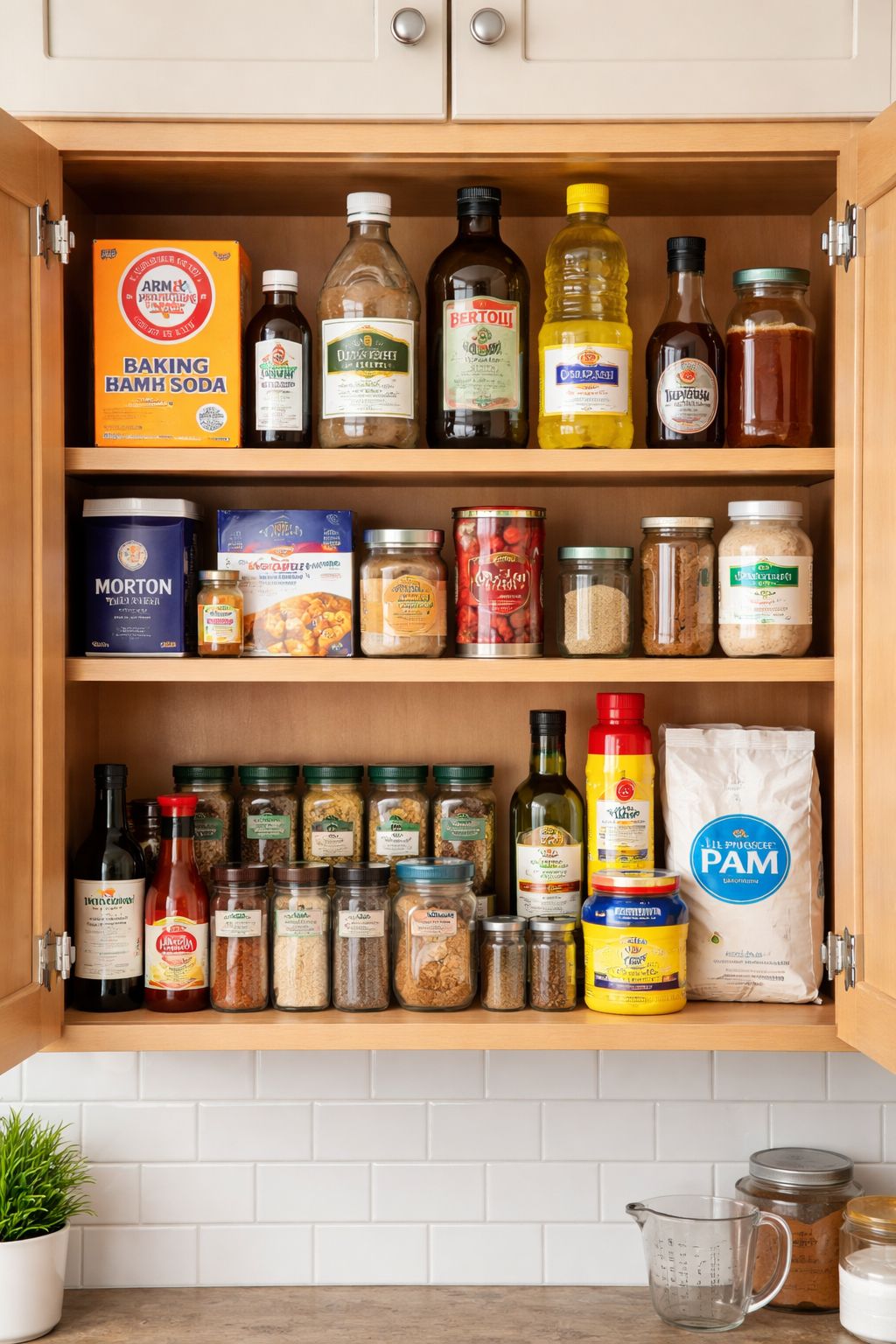
You don’t always need store-bought garden products to improve your soil. Some of the best things to add to your garden soil are common household items and most are probably already in your kitchen—and they can make a real difference when used correctly.
I’ve tested a few of these common household items for garden soil tips personally, including soaking potato peels and using the water on a tomato plant, and the results were noticeable and immediate.
That being said, not everything you hear and read online works the way people claim—so it pays to use a little common sense and discretion.
🪴 Household Items That Actually Improve Your Garden Soil
So without further ado, let’s explore how to use some of the items you already have on hand to help improve your small-space garden.
🧂 1. Baking Soda (Use With Caution)
Baking soda gets talked about a lot online—and for good reason—but it’s also one of the easiest things to misuse.
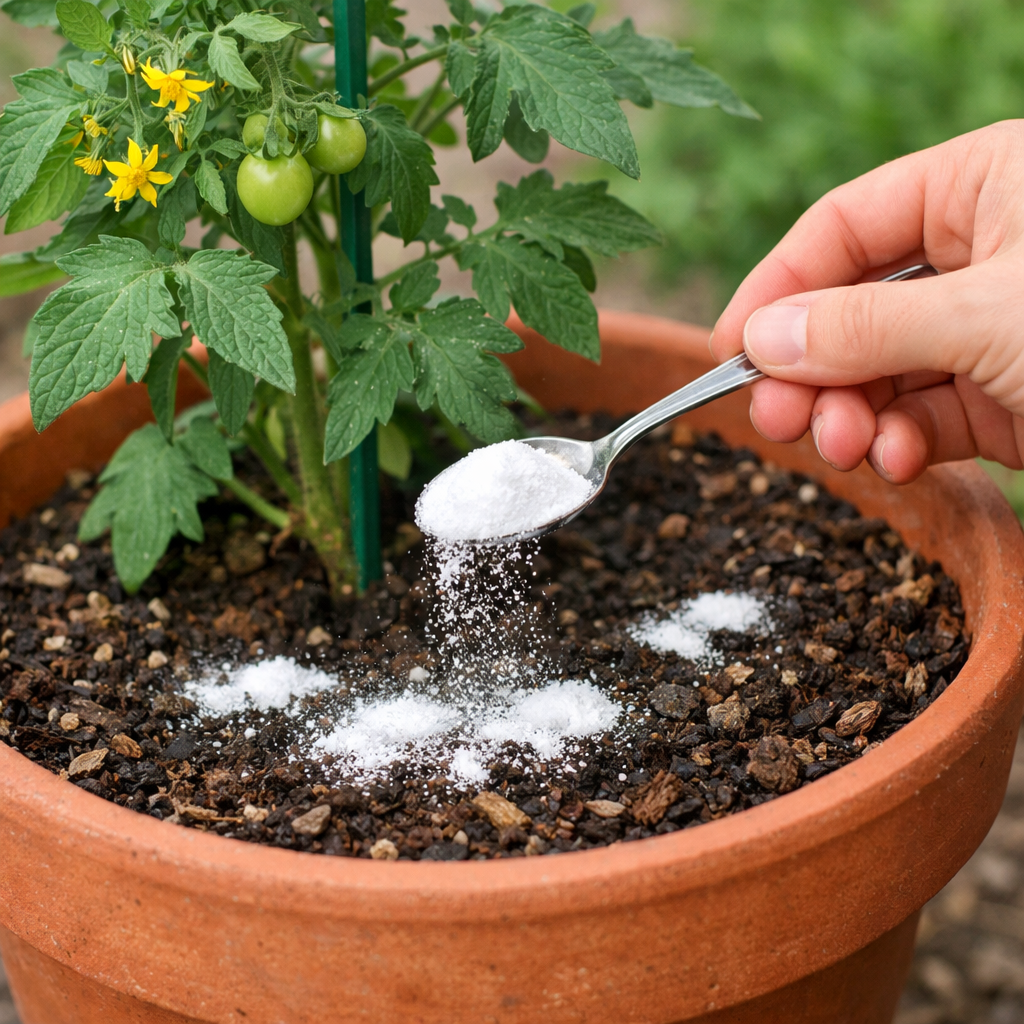
✔️ What it can do:
- Help reduce surface fungus on leaves
- Slightly raise soil pH in very small amounts
- Act as a mild antifungal treatment
⚠️ What to watch out for:
- Too much will damage soil structure
- Can harm beneficial microbes
- Builds up sodium in the soil over time
👉 Bottom line:
Use it sparingly and only for specific issues—not as a regular soil amendment.
🥔 2. Potato Water & Vegetable Soaks
When you soak or boil potatoes (or other veggies), the water pulls out small amounts of nutrients like potassium and trace minerals.
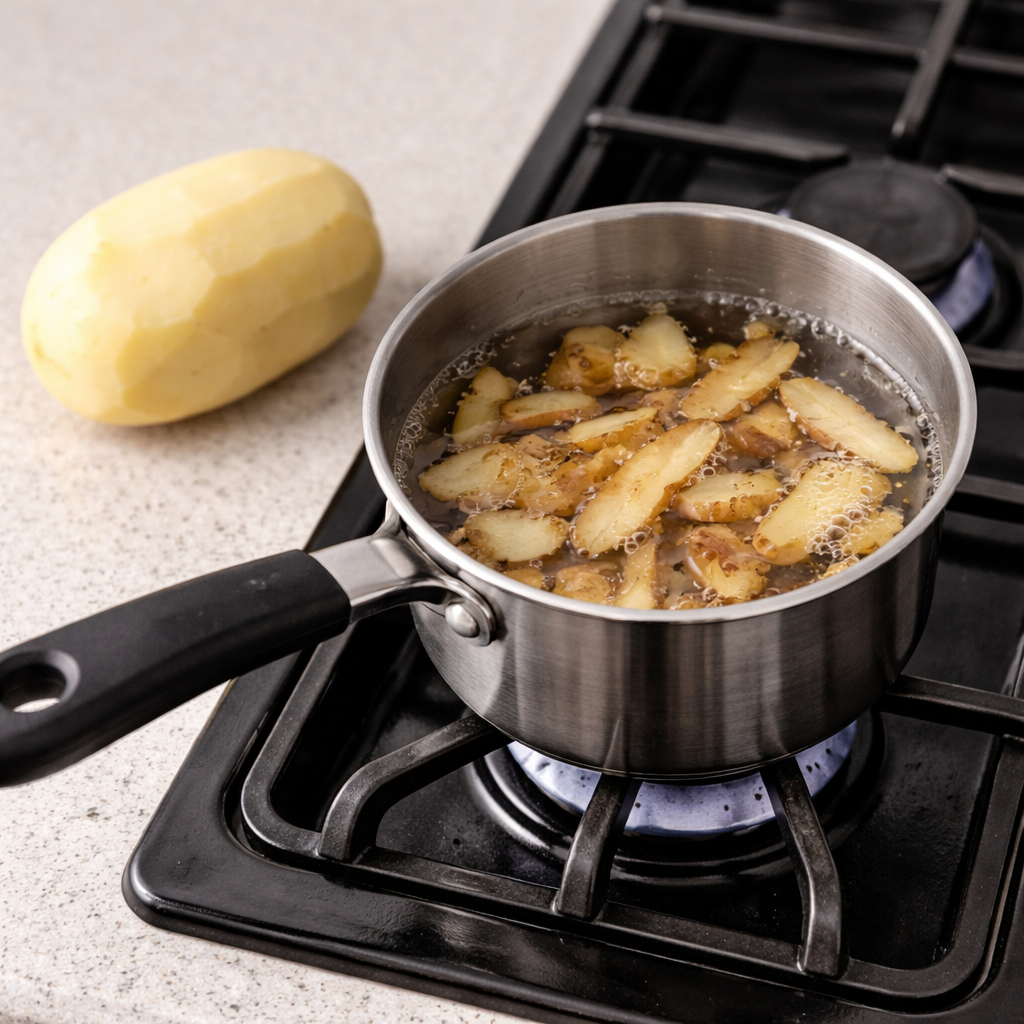
✔️ Why it works:
- Adds light nutrients without chemicals
- Helps feed soil microbes
- Completely free and easy
💡 How to use it:
- Let the water cool completely
- Avoid adding salt
- Use it within a day or two
👉 Best for:
Container plants, tomatoes, herbs, and anything needing a gentle boost.
☕ 3. Used Coffee Grounds
Coffee grounds are one of the most reliable “kitchen to garden” upgrades.
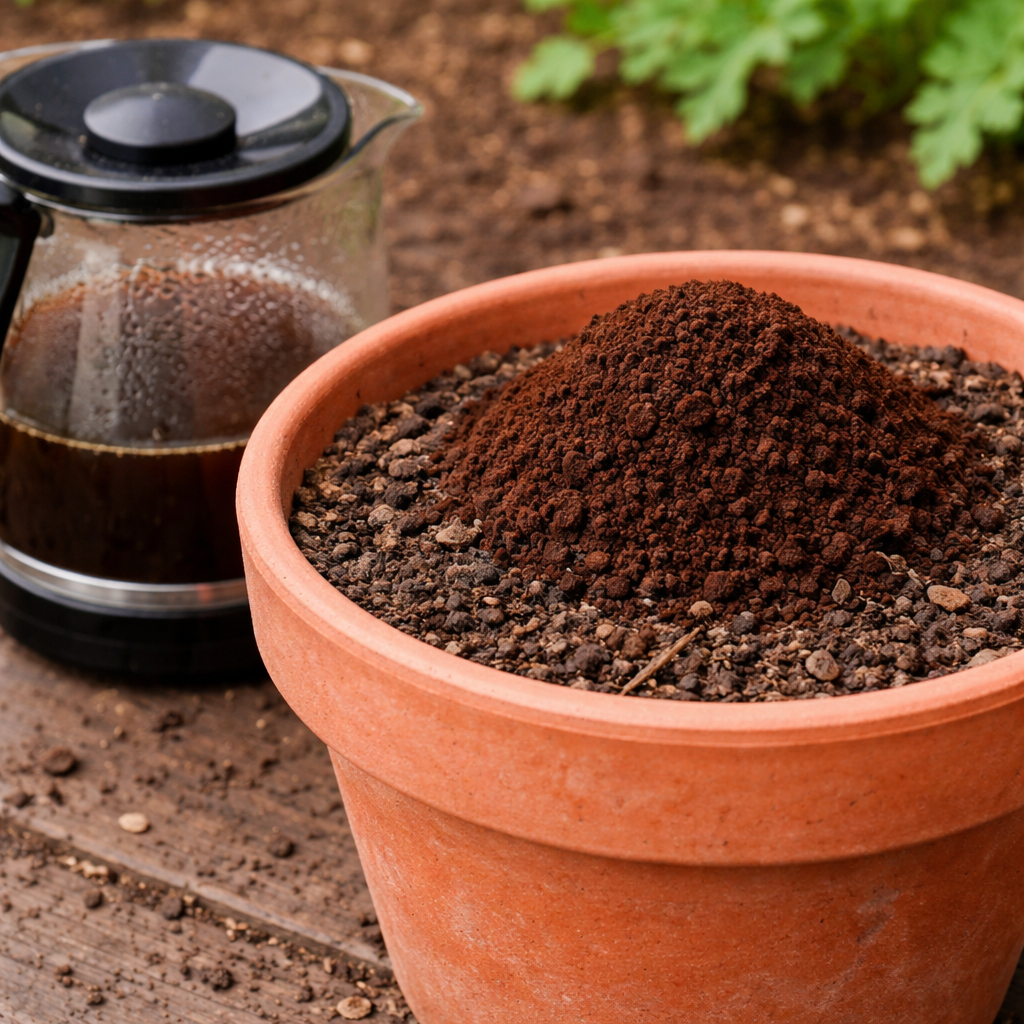
✔️ Benefits:
- Add organic matter
- Improve soil texture
- Feed earthworms and microbes
⚠️ Reality check:
- They are not strongly acidic after brewing
- Too much can compact soil
💡 Best way to use:
- Mix into soil or compost
- Don’t just pile them on top
👉 Great for:
Leafy greens, compost bins, and improving poor soil.
🍌 4. Banana Peels
Banana peels are famous for boosting potassium—but improper use can limit their effectiveness or even do more harm than good.
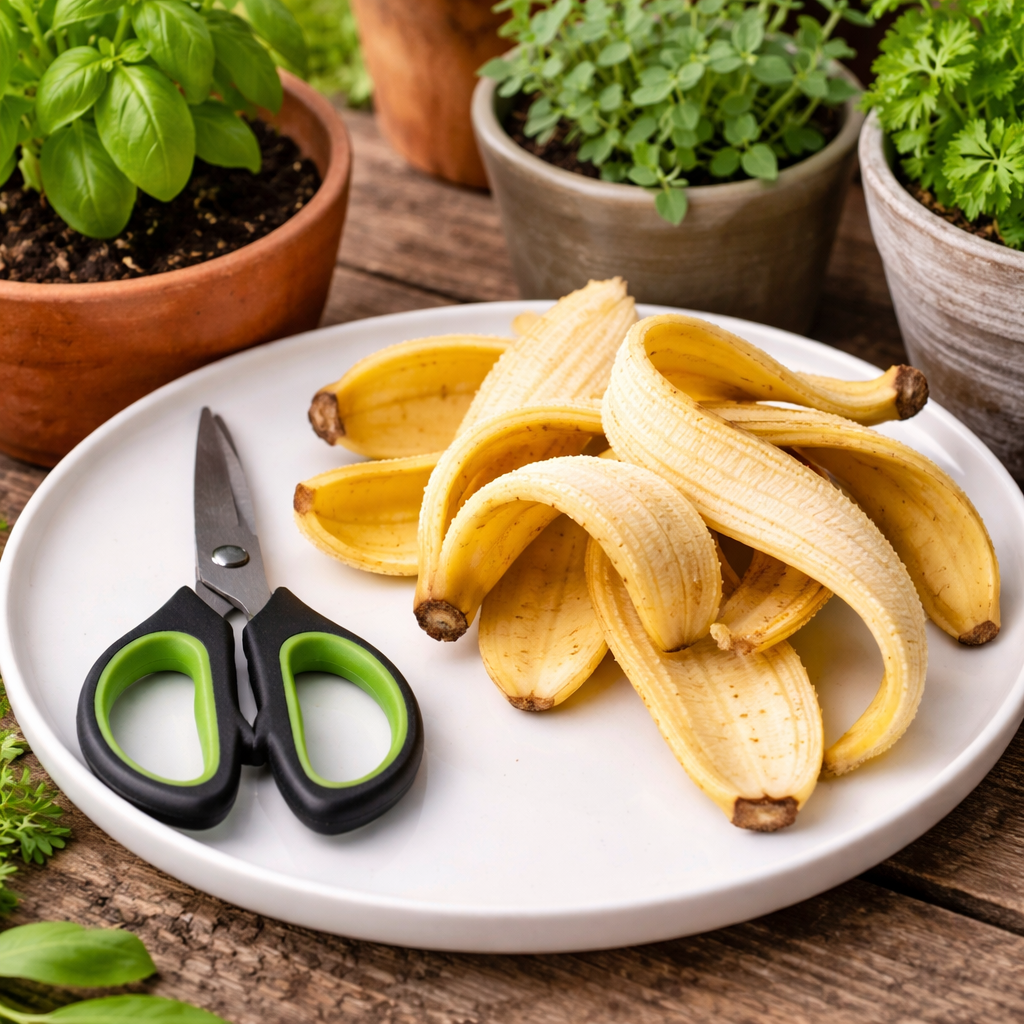
✔️ What they add:
- Potassium (great for flowering and fruiting)
- Small amounts of phosphorus
💡 How to use:
- Chop finely and bury
- Add to compost
- Make a light “banana peel soak”
⚠️ Avoid:
- Tossing whole peels on top (can attract pests)
🧂 5. Epsom Salt (Magnesium Boost)
Epsom salt is one of the few household items that directly targets a nutrient deficiency.
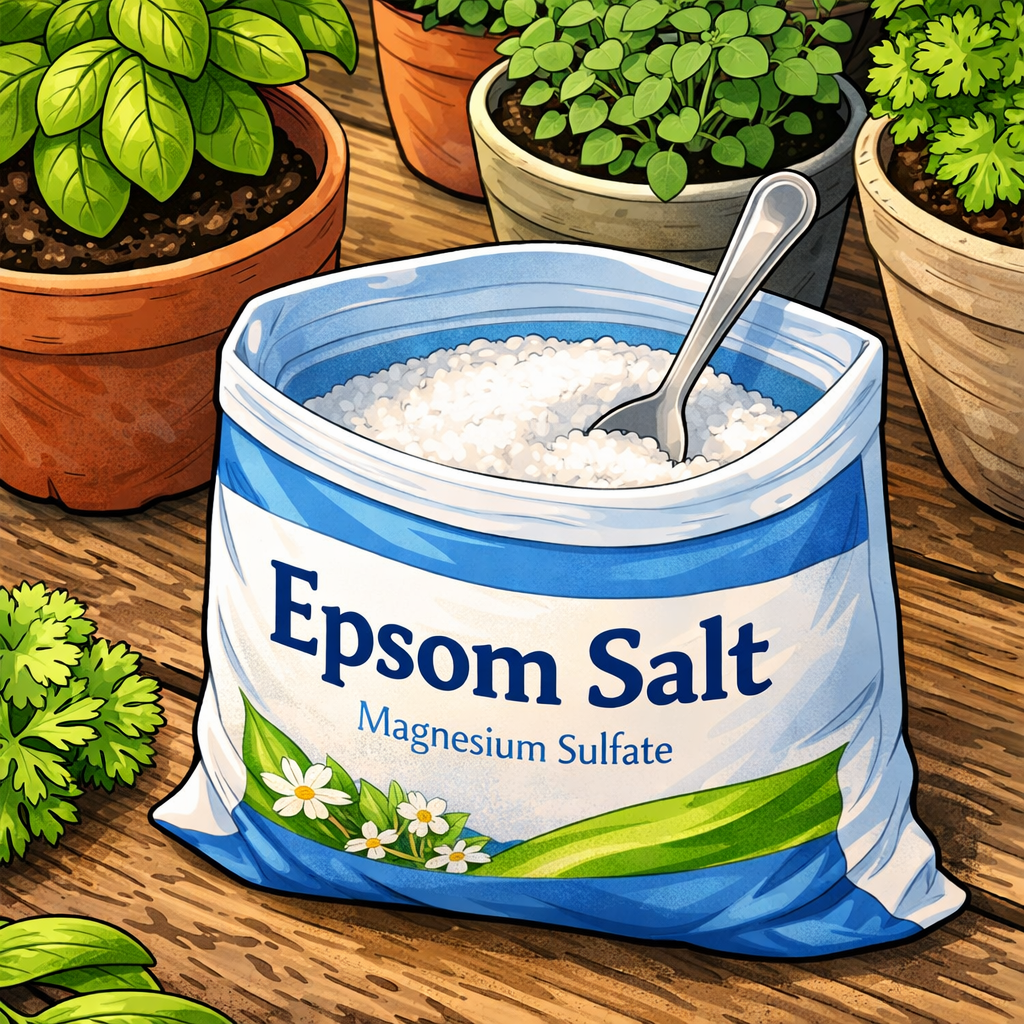
✔️ Helps with:
- Magnesium deficiency
- Yellowing leaves (in some cases)
- Tomato and pepper growth
⚠️ Important:
- Only use if needed
- Overuse can throw off soil balance
👉 Tip:
If your plants are already healthy, you probably don’t need it.
❌ What to Avoid (Or Use Carefully)
This is where much of the online advice goes sideways.
🚫 Vinegar
- Works as a weed killer, not a soil improver
- Can destroy soil life if overused
🚫 Table Salt
- Kills plants and ruins soil structure
- Avoid completely
⚠️ Milk
- Sometimes used for fungal issues
- Can smell and attract pests if overused
⚠️ Random “Miracle Mixes”
- Many viral recipes are untested or exaggerated
- Stick to simple, proven methods
🌱 Final Thoughts: Keep It Simple and be Observant
You don’t need expensive products to build healthy soil. Some of the best improvements come from some of the things already sitting in your kitchen.
But the real key isn’t just what you add—it’s also how and why you use it.
Start small then watch how your plants respond. Then make your adjustments as needed.
That’s how you build a quality soil that actually works—not just something that sounds good online.
Here is a short video I found on You Tube from techngarden that fits in nicely with this post. “5 DIY Plant Fertilizes at Home”
And a simple printable cheat sheet to refer to. “Kitchen to Garden Cheat sheet”
❓ FAQ: Household Items for Garden Soil
Can I use kitchen scraps directly in soil?
Yes, but it’s better to compost them first or chop them finely to avoid pests.
How often should I use these methods?
Light applications every few weeks are usually enough—don’t overdo it.
Do these replace fertilizer?
Not completely. They work best as supplements, not full replacements.
What’s the safest option for beginners?
Coffee grounds and composted scraps—they’re the hardest to mess up.