
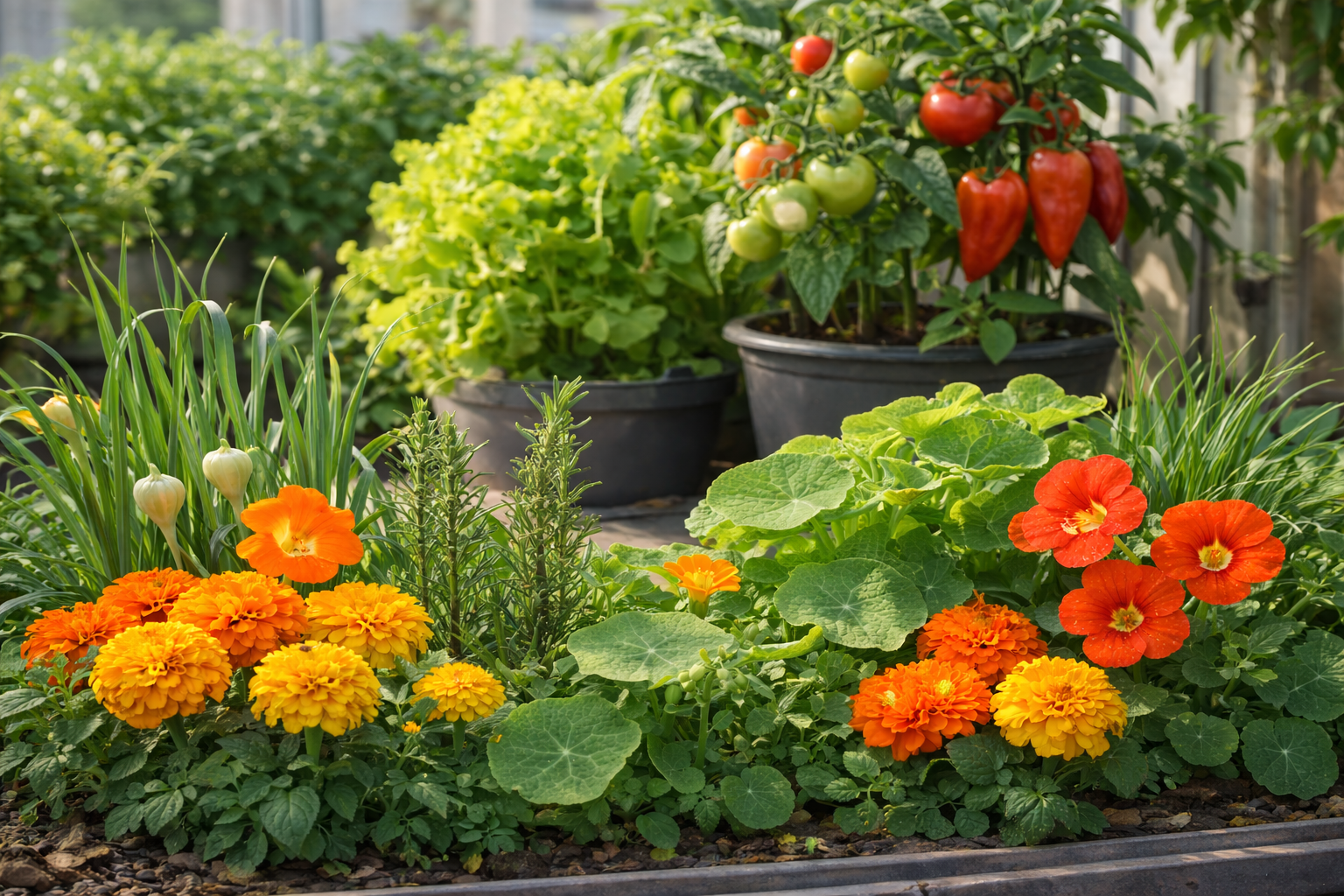
Natural Pest Control in Small Spaces (Easy Fixes for Common Garden Pests)
If you’ve spent any time gardening, you’ve probably had this moment…
Everything looks great—then suddenly, something starts eating your plants.
At first, it seems like a small issue. A few holes here, a leaf or two there. However, before you know it, pests have moved in and made themselves at home.
In small-space gardens—whether you’re growing in containers, raised beds, or on a balcony—this can happen fast and spread even faster.
👉 And it’s not just what’s chewing on your plants.
Flying pests like mosquitoes, flies, and fungus gnats can show up just as quickly, turning your growing space into somewhere you don’t even want to sit.
👉 The good news? You don’t need harsh chemicals to deal with any of it.
With the right approach, natural pest control in small spaces is not only possible—it’s often more effective and easier to manage.
Whether you’re dealing with leaf damage, soil pests, or annoying flying insects, a few simple strategies can keep everything under control.
So, Let’s walk through some imple, proven fixes that actually work.
🐛 Why Pest Problems Are Worse in Small Spaces
Small gardens have a few built-in challenges:
- Plants are closer together
- Limited airflow
- Pests spread quickly from plant to plant
👉 Once something shows up, it doesn’t take long to become a problem.
👍 The Good News
Those same built-in challenges can also work in your favor.
- You can spot problems early
- It’s easier to check every plant regularly
- Treatments take less time and effort
- Natural solutions are more targeted and effective
👉 Most pests in small-space gardens can be controlled quickly if you catch them early, so check your plants regularly and act fast.
Let’s get into it and identify some of the most common pests small-space gardeners—and gardeners in general—have to deal with, along with simple natural ways to control them
🔍 Common Garden Pests (And What They Do)
🐜 Aphids
Small, soft-bodied insects that suck sap from plants. They cluster on new growth and multiply quickly, especially in tight spaces.
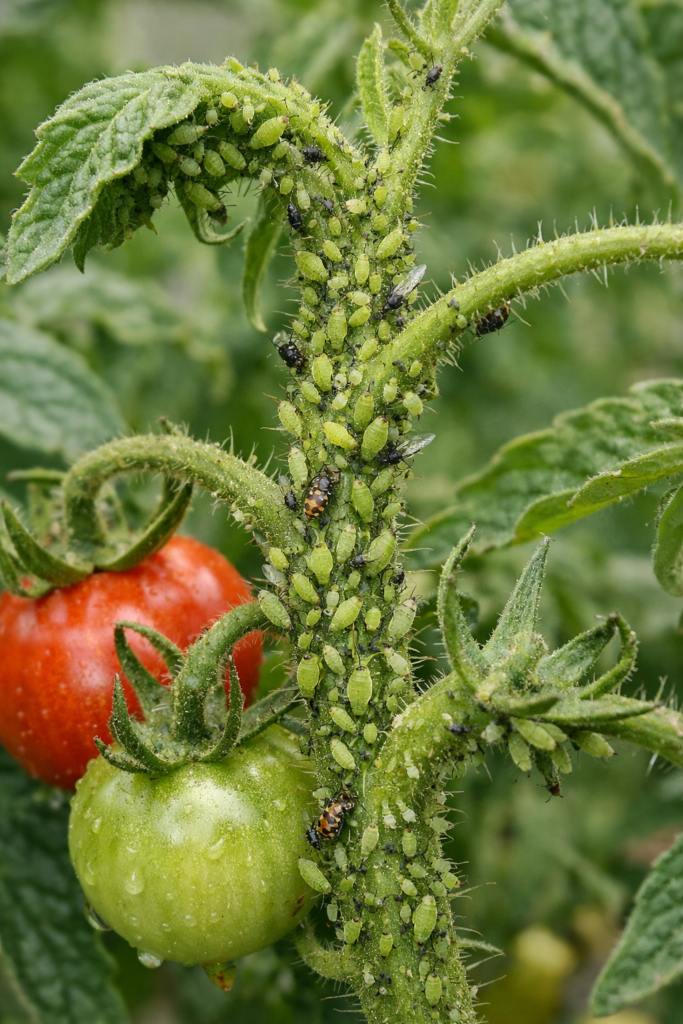
👉 What they do:
Aphids weaken plants by draining nutrients. They can cause leaves to curl and become distorted.
They also leave behind a sticky residue called honeydew, which can attract mold and ants.
👉 What to look for:
Check for clusters of tiny bugs on new growth or under leaves.
Look for curled, puckered, or distorted leaves.
Sticky residue on leaves or stems is another common sign.
👉 Quick control:
- Spray off with water
- Use insecticidal soap
- Let beneficial insects (like ladybugs) help
👉 For best results, get on top of them early before colonies grow larger.
🐌 Slugs & Snails
These pests are mollusks, not insects. They thrive in damp conditions and are most active at night or after rain.
👉 What they do:
Slugs and snails chew ragged holes in leaves and can damage stems or young roots.
They are especially destructive to seedlings and can wipe them out overnight.
👉 What to look for:
Look for silvery slime trails on pots, soil, or leaves.
Damage often appears overnight, especially on tender plants.
Check under pots, mulch, boards, or dense foliage where they like to hide.
👉 Quick control:
- Hand-pick in the evening
- Reduce hiding spots
- Use barriers like crushed eggshells or diatomaceous earth
👉 If there are slime trails, they’ve already been visiting.
🕷 Spider Mites
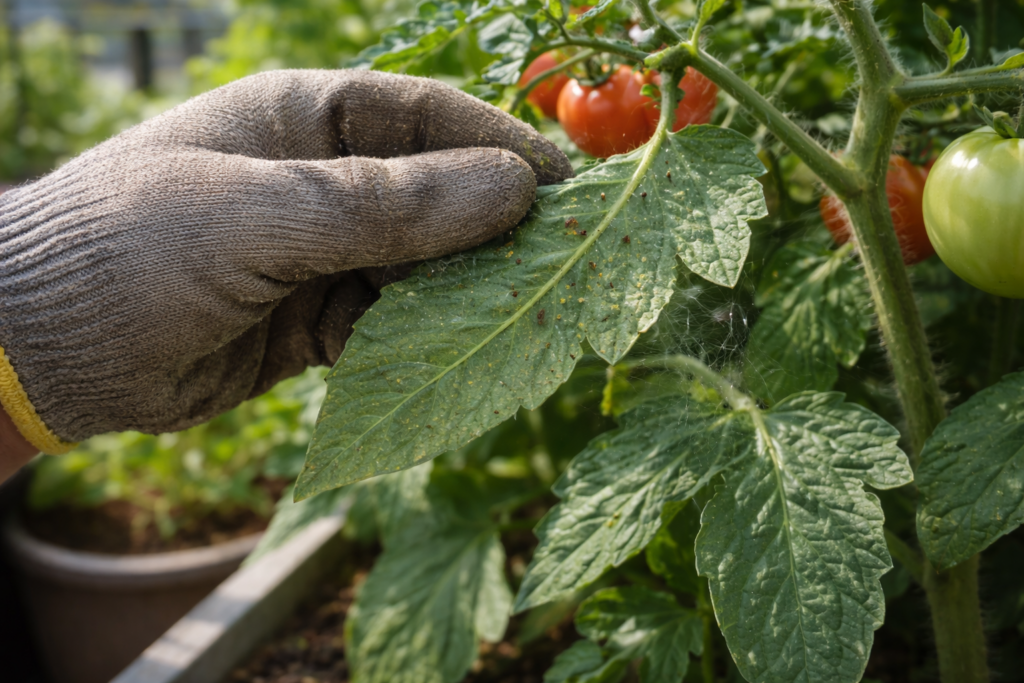
Tiny arachnids related to spiders and ticks that feed on plant cells. They’re hard to see but can do serious damage quickly, especially in warm, dry conditions.
👉 What they do:
Spider mites cause tiny speckled spots on leaves as they feed.
Heavy infestations can lead to yellowing, leaf drop, and weakened growth.
👉 What to look for:
Check for fine webbing under leaves or between stems.
Leaves may appear dusty, faded, or stippled.
Damage can spread quickly if left untreated.
👉 Quick control:
- Spray leaves with water
- Use neem oil or insecticidal soap
- Increase humidity levels
👉 If you see webbing, act quickly.
🐛 Caterpillars
Caterpillars are the larval stage of moths and butterflies. These pests are heavy feeders and can damage plants fast.
👉 What they do:
Caterpillars chew large holes in leaves and may damage fruits or flowers.
Serious feeding can reduce plant vigor and overall harvests.
👉 What to look for:
Look for fresh chewing damage on leaves.
Dark droppings on soil or foliage are another common clue.
They often hide along stems or under leaves during the day.
👉 Quick control:
- Hand-pick often
- Use BT (Bacillus thuringiensis)
- Check plants regularly
👉 Catch them early before they grow larger and eat more.
🌿 Plants That Naturally Repel Mosquitoes & Flies
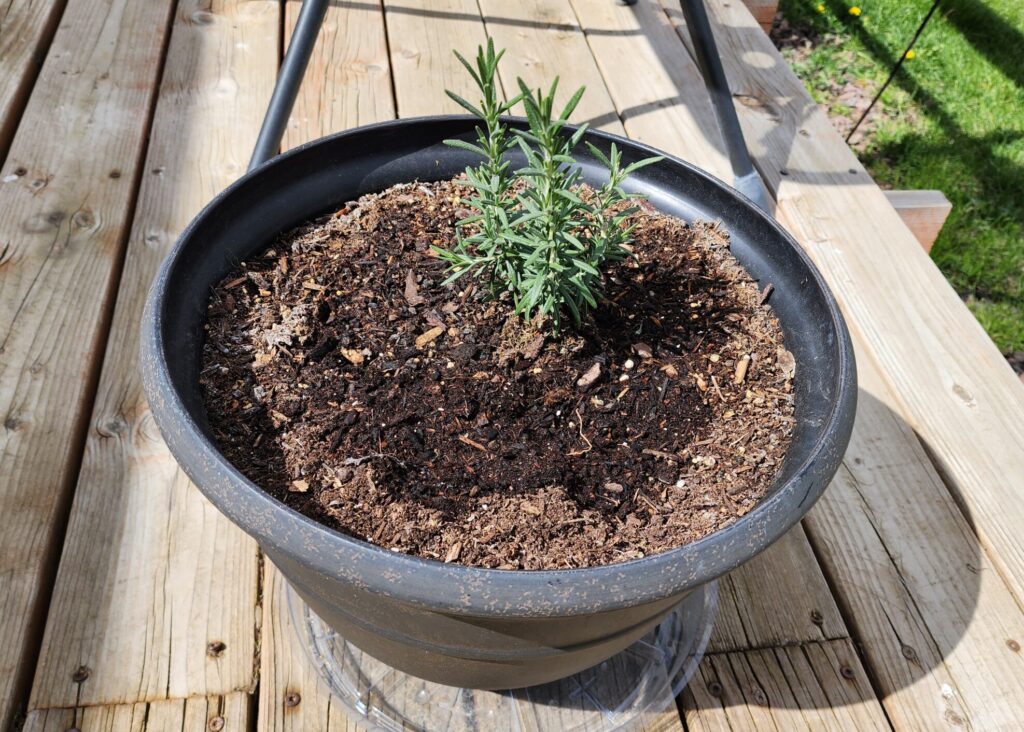
Some plants can help make your garden more comfortable by discouraging flying pests.
👉 Many also grow well beside vegetables in containers or raised beds.
Herbs like Rosemary and Basil aren’t just for cooking—they can also play a big role in natural pest control, especially in small-space gardens!
🌿 Lavender
- Strong scent that mosquitoes dislike
- Dreat in well drained containers.
- Low maintenance once established
👉 Place near seating areas or along the edge of your garden
🌿 Rosemary
- Helps deter mosquitoes and some flying pests
- Great companion herb
- Loves sun and drier soil
🌿 Basil
- May help repel mosquitoes and flies
- Excellent near tomatoes
- Easy to grow and harvest
🌼 Marigolds
- Strong scent helps deter insects
- May help with some soil pests
- Ideal for edging beds or containers
🌿 Mint (Keep It Contained)
- Strong scent helps repel mosquitoes and flies
- Grows aggressively
- Keep mint in its own pot!
👉 Place near entry points or sitting areas for best effect
🌿 Easy Natural Pest Control Methods (That Actually Work)
Simple hands-on methods often work faster and better than harsh chemicals or a huge garden setup. Faster and better than people expect!
Start with the easiest fixes first and stay consistent! You can usually stop pest problems cold, before they get out of hand.
This episode from Urban Garden Republic walks through real-world pest control in a small-space garden.
💧 1. Blast Them Off With Water
Use a hose or spray bottle.
- Great for aphids
- Helpful for mites
- Fast and simple
👉 However, repeat treatments are often needed.
🧼 2. Mild Soap Spray
Mix about 1/3 teaspoon dish soap per cup of water.
- Spray affected areas
- Focus under leaves
- Repeat every few days
👉 Works best on soft-bodied pests.
⚠️ Spray early morning or evening to avoid leaf burn.
🌸 3. Use Companion Plants
- Marigolds → help deter pests
- Basil → may repel insects
- Nasturtiums → act as a trap crop
👉 Companion planting helps reduce pest pressure naturally.
See our Companion Planting Guide or use the Companion Planting Chart for quick reference.
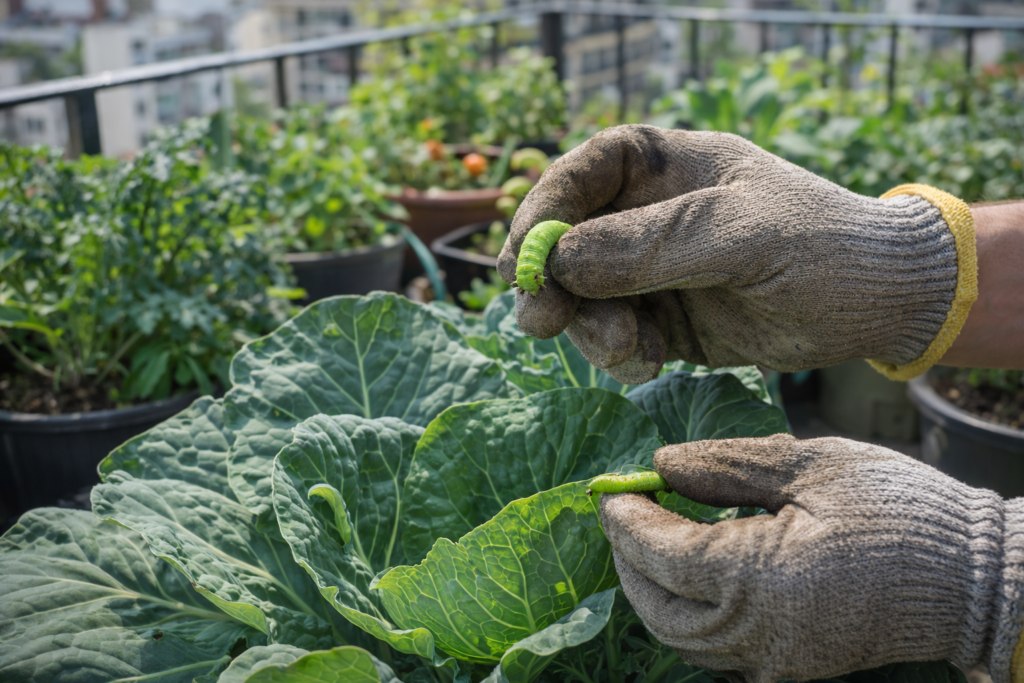
✋ 4. Hand Removal (Underrated but Powerful)
- Pick off caterpillars and larger pests
- Check leaves often
- Great for small gardens
👉 In small spaces, this works better than people think.
⚠️ Quick tip: Wear gloves—you’ll thank yourself.
🌿 5. Neem Oil (Natural but Stronger Option)
Neem oil is plant-based and widely used in organic gardening.
- Disrupts pest life cycles
- Works on many insects
- Useful when infestations grow larger
⚡Always follow label directions and avoid overuse!
⚠️ What NOT To Do (Common Mistakes)
- Overcrowd plants
- Overwater soil
- Ignore early warning signs
👉 Catching problems early is everything in natural pest control in small spaces. Healthy, unstressed plants also resist pests better, so check out our Keeping Plants Healthy Through Summer Heat & Moody Weather Swings for simple ways to keep your garden strong.
🌱 Prevention Is the Real Secret
Ultimately, the best pest control is healthy plants.
Make sure you are:
- Using quality soil
- Watering consistently
- Giving plants enough sunlight
- Inspecting plants often
👉 Weak plants attract pests, while strong plants resist them.
👉 “How to Make Container Soil That Works (Cheap & Simple)”
Final Thoughts
Natural pest control in small spaces works best when you stay consistent, inspect often, and act early.
Because smaller gardens are easier to manage, natural methods can be faster and more effective than many people realize.
Start simple, stay observant, and enjoy healthier plants without any harsh chemicals.